Application overview

Confectionery & Gummies

Fruit juice concentrates for high-solids confectionery systems

Fruit juice concentrates provide fruit-derived soluble solids, acidity, color and flavor in a compact liquid format. They are widely used in gummies, jellies, fruit chews, hard candy, soft confectionery and related systems where manufacturers want recognizable fruit character without adding the full water load of single-strength juice.

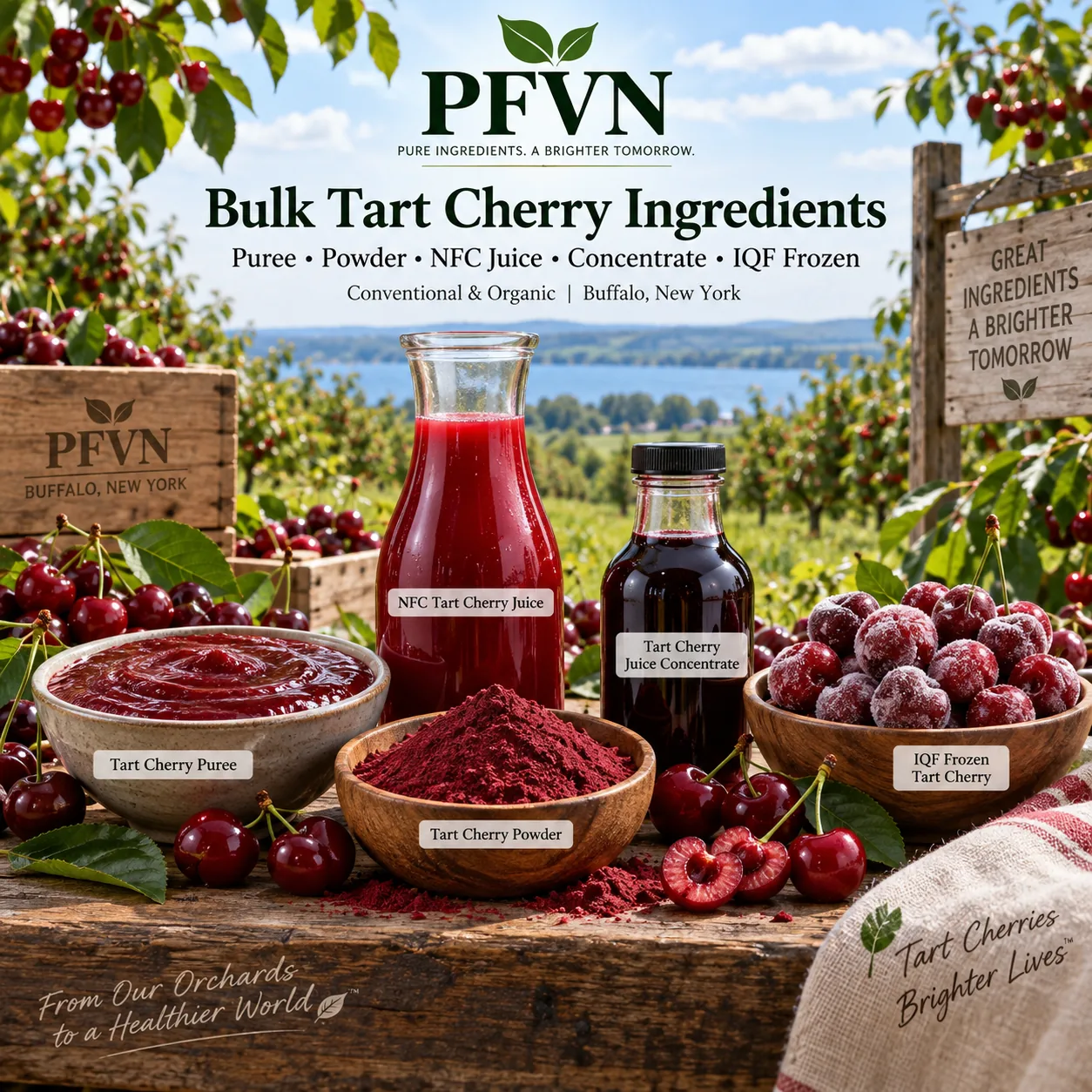
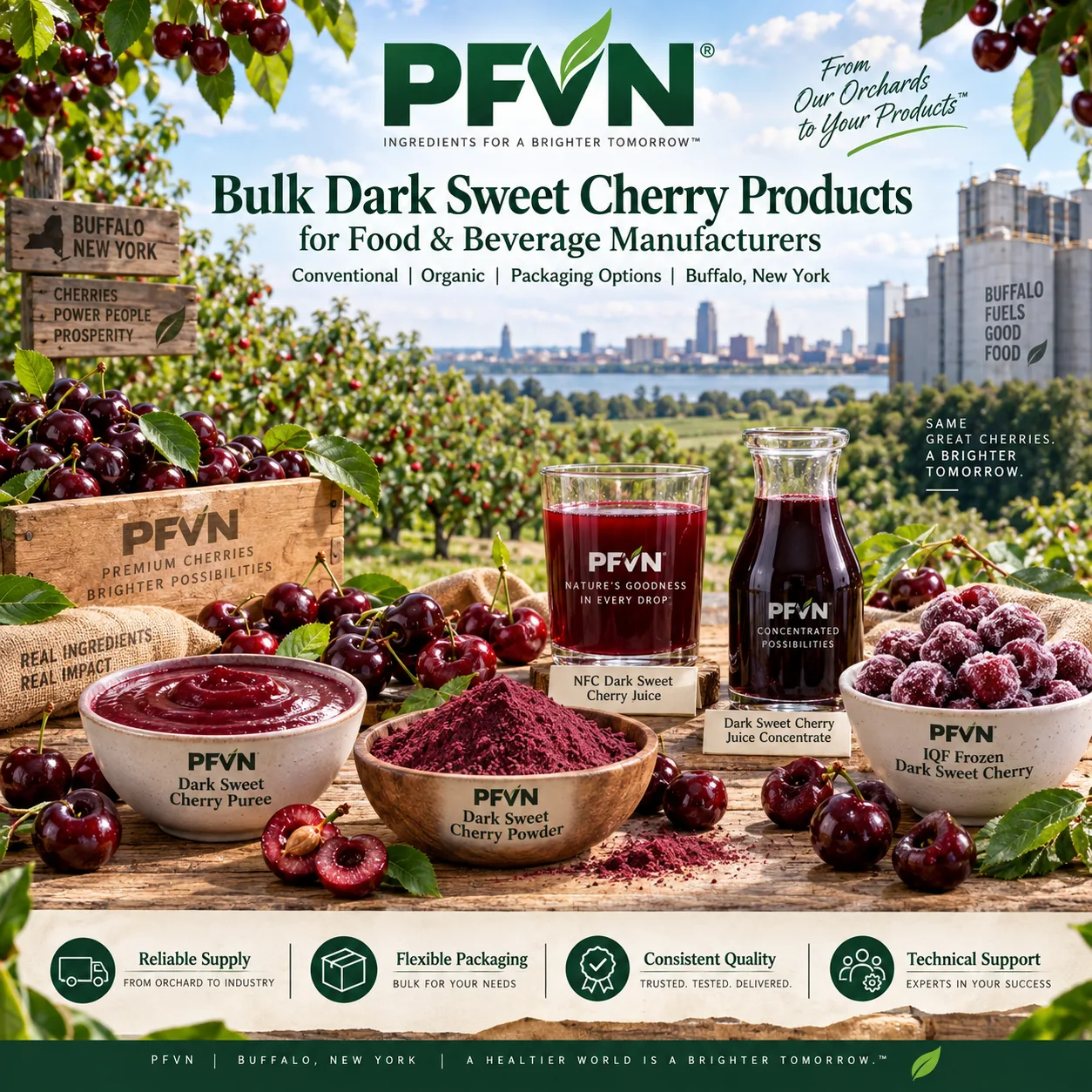
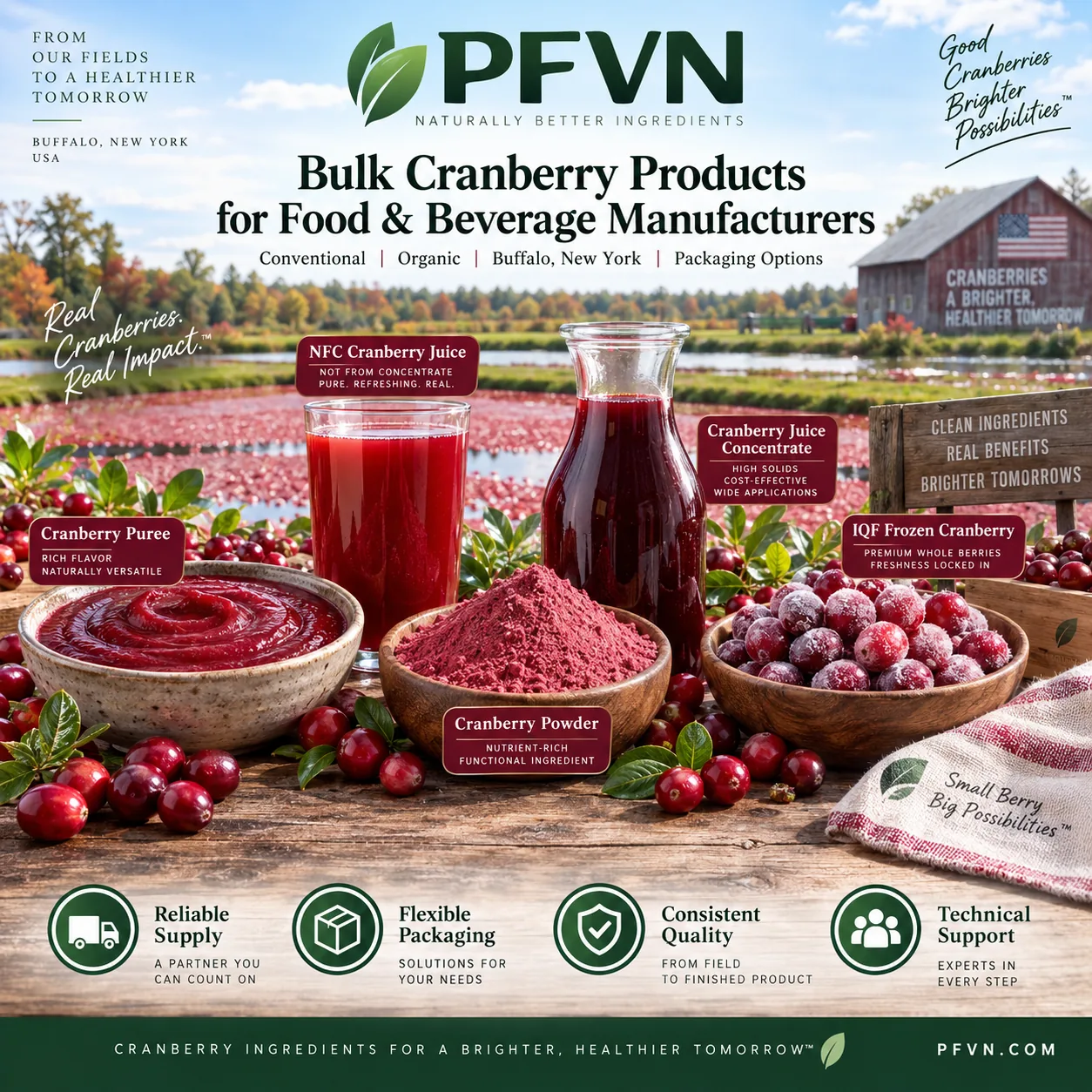
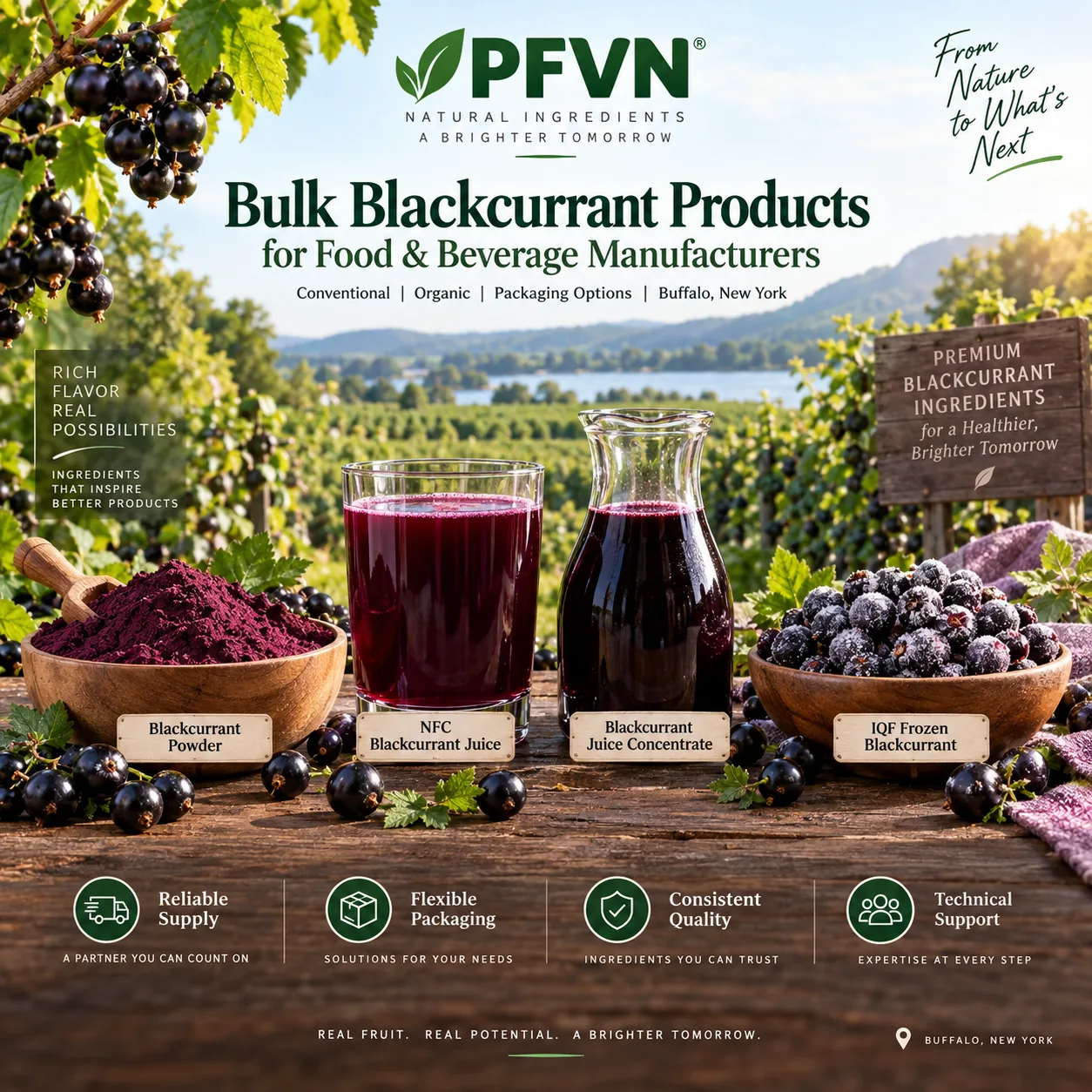
Berry and cherry concentrates are particularly useful because they can deliver pronounced flavor, acidity and natural red-to-purple color. Raspberry and tart cherry provide bright, tart profiles; blueberry and blackberry contribute deeper berry character; dark sweet cherry offers a rounder cherry profile; cranberry, blackcurrant and elderberry provide stronger acid, dark-fruit and color contributions.

Because concentration removes water, the ingredient can have a significant effect on finished soluble solids and cook balance. Commercial approval should therefore consider both fruit character and analytical properties such as °Brix, pH, titratable acidity, color, clarity and sensory profile.

Fruit variety and crop still influence the concentrate

Natural juice composition varies with fruit variety, maturity, growing conditions and crop season. Concentration increases soluble solids but does not eliminate those agricultural differences. Incoming flavor, acid balance and pigment intensity can therefore vary between origins or production seasons.

The commercial specification should control the parameters that materially affect finished-product performance while allowing appropriate natural variation.

Qualification reminder: Juice concentrate characteristics vary by fruit, variety, origin, concentration process and supplier. Confirm current °Brix, acidity, sensory profile, packaging, storage conditions, shelf life, microbiological criteria and certifications before commercial approval.
Fruit characteristics

Fruit profile matters in gummy and confectionery development

The fruit determines the natural balance of sweetness, acidity, aroma and pigments that the concentrate brings to the formulation.

Red berry Raspberry

Provides bright berry aroma and pronounced acidity, making it useful in sour gummies, fruit chews and mixed-berry confectionery.

Dark berry Blueberry

Contributes a softer dark-berry profile and blue-purple color that can support premium gummy and jelly concepts.

Dark berry Blackberry

Offers deeper berry flavor, acidity and dark pigmentation for high-impact gummies, chews and specialty candy.

Sour cherry Tart Cherry

Provides characteristic cherry flavor with pronounced tartness, especially suited to sour gummies and dark-chocolate or fruit combinations.

Sweet cherry Dark Sweet Cherry

Provides fuller, rounder cherry flavor and dark-fruit character for premium gummies, chews and filled confectionery.

High-acid fruit Cranberry

Contributes strong tartness and red-fruit character and can reduce the amount of separately added acid required in some formulations.

Intense berry Blackcurrant

Provides pronounced aroma, acidity and dark color, allowing strong fruit impact in gummies and high-solids candy systems.

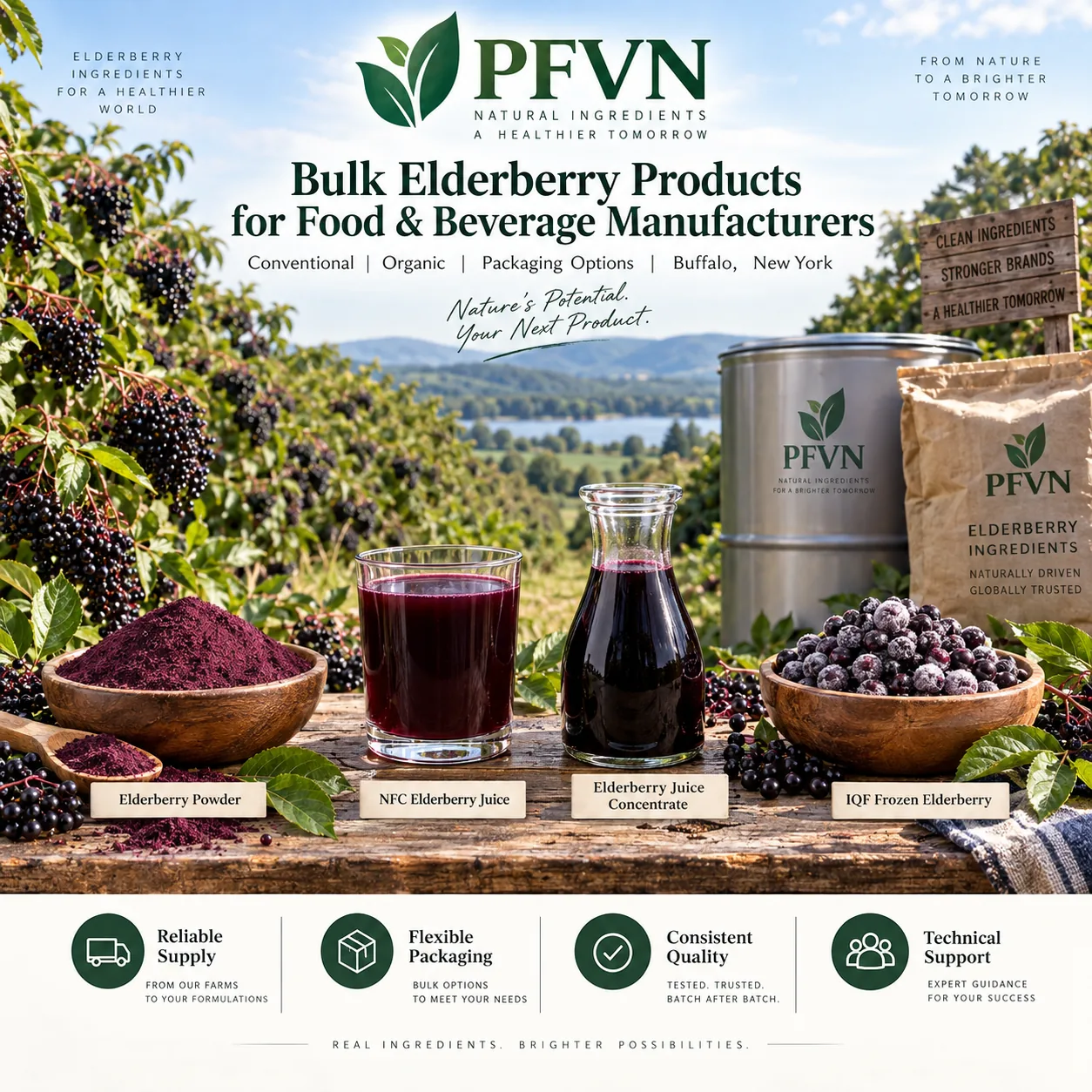
Dark fruit Elderberry

Contributes deep berry-like color and distinctive dark-fruit character for specialty gummy and confectionery applications.

Technical specification

Key juice concentrate parameters

Technical specifications should focus on properties that influence formulation yield, acid balance, color, flavor and processing consistency.

Concentration °Brix / soluble solids

°Brix helps define concentration and formulation contribution. Confirm the measurement method and commercial range for the specific fruit concentrate.

Acidity pH & titratable acidity

pH and total acid contribution affect flavor, gel systems and final product balance. Both may be important in sour or pectin-based formulations.

Appearance Color

Natural fruit pigments can be sensitive to heat, oxygen, light and pH. Evaluate concentrate color in the finished confection rather than in isolation.

Physical profile Clarified or cloudy

Clarification level can influence appearance, sediment, insoluble material and compatibility with smooth gummy or hard-candy systems.

Sensory Flavor & aroma

Approve representative material for characteristic fruit flavor and absence of excessive cooked, fermented, oxidized or atypical notes.

Handling Viscosity

Higher-solids concentrates can be relatively viscous, affecting pumping, metering and container evacuation, particularly at lower temperatures.

Microbiology Incoming criteria

Define appropriate microbiological requirements according to the concentrate, storage system and validated confectionery process.

Storage Commercial condition

Confirm whether the product is supplied frozen, aseptic, chilled or under another specified storage program.

High-solids formulation

Account for fruit concentrate in the sugar and acid balance

Juice concentrate contributes both fruit solids and water. In a gummy or jelly formula, that contribution should be included when setting final soluble solids and cook endpoint rather than treating the concentrate as a flavor addition only.

The natural acids in tart cherry, cranberry, blackcurrant and other acidic concentrates can also influence gelation and sensory balance. In pectin systems especially, addition sequence and final pH should be validated carefully.

Key development checkpoints

  • Concentrate inclusion rate
  • Finished °Brix / solids
  • Final pH
  • Titratable acidity
  • Gelling system
  • Acid addition timing
  • Cook endpoint
  • Deposit viscosity
  • Finished water activity
  • Storage texture
Industrial applications

Major confectionery uses for juice concentrates

Fruit juice concentrates are used wherever manufacturers need concentrated fruit solids, acidity or flavor while maintaining control of water and finished soluble solids.

Gummies

Gelatin Gummies

Fruit concentrates provide flavor, soluble solids, acidity and color in gelatin-based gummies and soft chews.

Plant-based gummies

Pectin Gummies

Concentrates are widely applicable in pectin systems where acid timing, final pH and soluble solids strongly influence gel formation.

Jellies

Fruit Jellies

Berry and cherry concentrates can create strong fruit identity in deposited or molded jelly confectionery.

Chews

Fruit Chews & Taffy

Concentrates can supply fruit flavor and acidity in chewy confectionery where additional liquid must be carefully controlled.

Hard candy

Hard-Boiled Candy

Selected clarified concentrates can provide fruit character in high-solids hard candy systems, subject to heat and color stability.

Centers

Confectionery & Chocolate Centers

Fruit concentrates can reinforce flavor and acidity in fondant, gel, caramel or other center systems.

Functional confectionery

Supplement & Nutrition Gummies

Fruit concentrates can help build the base flavor system in gummy products containing vitamins, minerals or other formulation components.

Sour systems

Sour Fruit Confectionery

High-acid fruit concentrates such as cranberry or tart cherry can complement added food acids in sour gummies, chews and jelly products.

Gel-system compatibility

Match concentrate addition to the structuring system

Gelatin, pectin and starch systems respond differently to acid, solids and heat. The same concentrate may therefore require different addition sequences depending on the confectionery process.

Where acidic concentrate is added to a pectin system, avoid uncontrolled local acidification before the formulation is ready to set. In gelatin systems, control process temperature and solids so gel strength and finished chew remain consistent.

Heat, flavor & color

Protect fruit character during cooking

Juice concentrates may be exposed to elevated temperature during candy cooking. Process design should reach the required solids without unnecessarily degrading fresh fruit aroma or sensitive pigments.

Heat Limit unnecessary exposure

Longer heating can reduce volatile fruit aroma or shift the profile toward more cooked notes.

Color Evaluate at final pH

Berry and dark-fruit colors can change with pH, so visual approval should use the complete final formulation.

Oxygen Reduce oxidation

Excess oxygen exposure can affect both fruit aroma and naturally derived color during processing and storage.

Sweetness Balance concentrated flavor

High sugar concentration can suppress perceived acidity or change aroma perception, so sensory evaluation should be performed at finished solids.

Qualification pathway

From kettle trial to production depositor

A representative concentrate sample is useful for initial screening, but commercial approval should connect incoming analytical values with finished gummy or confectionery performance.

Recommended approval stages

  1. Review the current concentrate specification and ingredient declaration.
  2. Confirm °Brix, pH, acidity, color and sensory profile.
  3. Run a bench formula at the intended concentrate inclusion rate.
  4. Confirm cook endpoint, gelling behavior and depositability.
  5. Run a production-representative pilot.
  6. Evaluate color, flavor, texture and water activity through the intended shelf life.
  7. Lock the commercial specification, packaging and documentation requirements.

Record the concentrate lot, analytical values, use level, cook conditions and finished-product results during successful trials. These records help identify which incoming attributes require firm purchasing limits.

Packaging & plant handling

Plan concentrate packaging around batch size and viscosity

Juice concentrates may be supplied in pails for trials or smaller-volume production, bag-in-drum or drum formats for routine industrial use, and totes or IBCs for higher-volume liquid handling where available.

The exact format, net weight and storage condition depend on the ingredient and supplier. Packaging should be evaluated together with pump capability, batch consumption and warehouse capacity.

Usage rate Match the pack to the batch

Select a container size that minimizes partial-pack storage while avoiding unnecessary opening labor and packaging waste.

Temperature Manage viscosity

Concentrates can become more viscous at lower temperatures, which may affect pumping, metering and container evacuation.

Storage Confirm commercial condition

Plan appropriate ambient, chilled or frozen storage according to the specific concentrate program.

Transfer Review pumping equipment

Confirm hose size, pump type, flow-meter capability and transfer procedures for the expected concentrate viscosity.

Yield Account for residual product

Material remaining in drums, liners, hoses and pumps can affect practical ingredient yield.

Logistics Compare delivered economics

Drum footprint, tote dimensions, palletization, temperature requirements and shipment volume all influence delivered cost.

Troubleshooting

When gummy or confectionery performance changes

Compare raw-material data and production records with the approved benchmark before reformulating. Changes in concentrate solids, acidity or fruit profile can sometimes appear as process problems.

Development check

Gel is weak or inconsistent

Review final solids, concentrate acidity, acid timing, cook endpoint and the selected gelatin, pectin or starch system.

Development check

Gummy is too firm

Check finished solids, gelling-agent level, cook loss, curing conditions and concentrate contribution.

Development check

Flavor is muted

Compare concentrate use level, heat exposure, sweetness, acidity and fruit lot against the approved benchmark.

Development check

Color shifts

Evaluate final pH, heating, oxygen exposure, storage light and pigment behavior of the selected fruit.

Development check

Product becomes sticky

Review finished solids, water activity, curing, storage humidity and package moisture barrier.

Development check

Deposit weight varies

Check batch temperature, viscosity, depositor pressure and solids consistency through the production run.

Quality & documentation

Confectionery QA and sourcing documentation

The commercial specification should focus on concentrate attributes that materially affect flavor, gel performance and processing consistency. Supplier documentation should correspond to the actual fruit, origin and processing source being offered.

  • Current technical specification
  • Ingredient declaration
  • Certificate of Analysis where applicable
  • °Brix / soluble-solids specification
  • pH and titratable acidity
  • Color or clarity criteria where relevant
  • Microbiological specification
  • Allergen statement
  • Country-of-origin information
  • Organic or other certification documents where required
  • Storage and shelf-life information
  • Packaging specification
Commercial evaluation

Compare concentration, use level and delivered cost

Juice concentrate economics should be compared on the basis of concentration, formulation use level and delivered cost—not price per kilogram alone.

Concentration Compare equivalent solids

A concentrate at a different °Brix may require a different use level to provide the same fruit-solids contribution.

Dosage Evaluate finished-formula cost

Compare how much concentrate is actually required to reach the target flavor and fruit contribution.

Crop Review seasonal availability

Fruit crop size, harvest quality and processing capacity can influence price, availability and lead time.

Origin Qualify alternates where needed

Multiple origins can support supply continuity, but each should be evaluated against the same analytical and sensory criteria.

Packaging Consider usable yield

Container residue, pump losses and partial-pack handling can influence effective ingredient cost.

Volume Share annual requirements

Trial quantity, regular order size and annual volume help suppliers evaluate production scheduling and commercial feasibility.