Beverage Manufacturing
Application overviewFruit concentrates as functional beverage ingredients
Juice concentrates provide fruit flavor, soluble solids, sugars, organic acids and color contribution in a format containing substantially less water than NFC juice. This makes them useful for industrial beverage plants where formulation control, freight efficiency and repeatable batching are important.
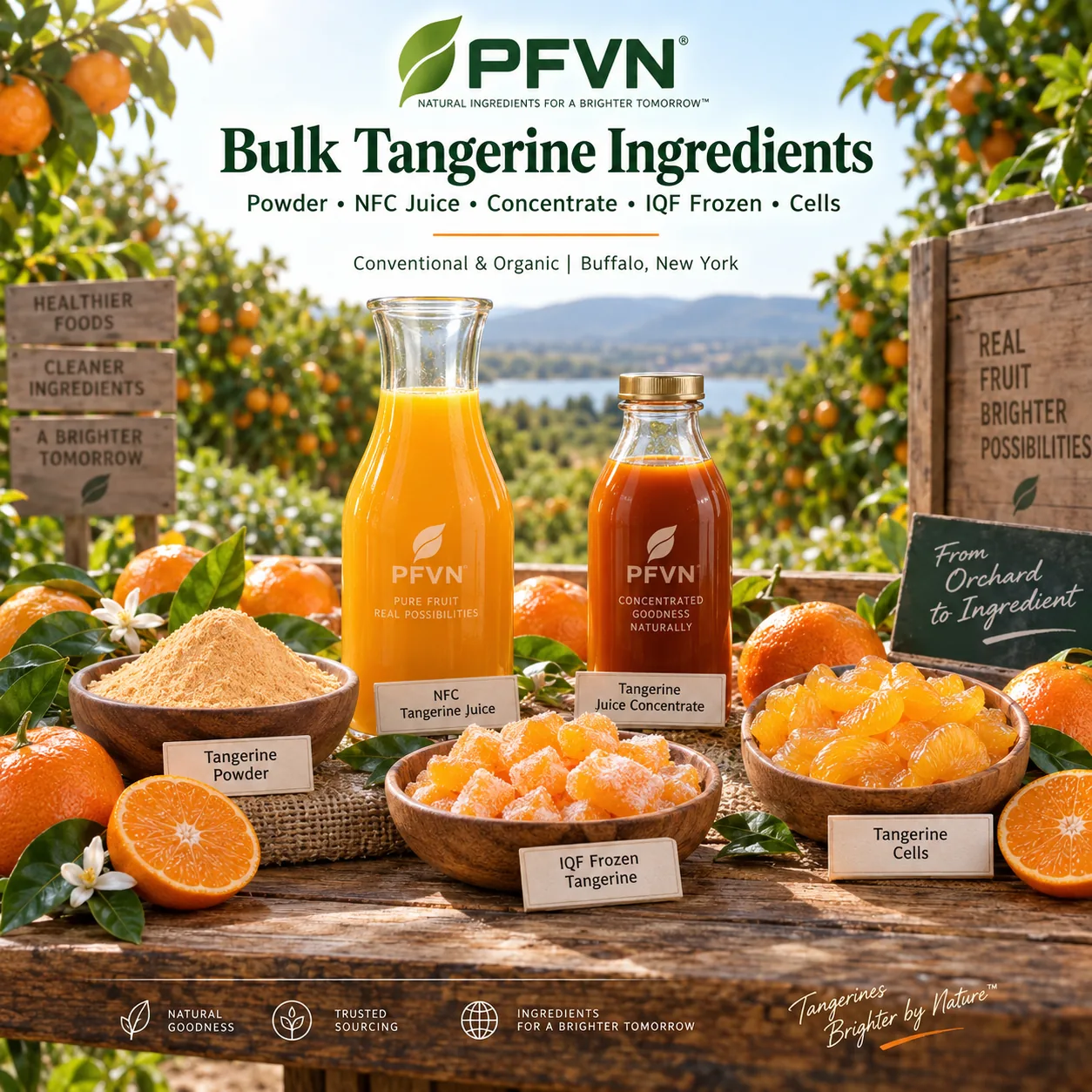
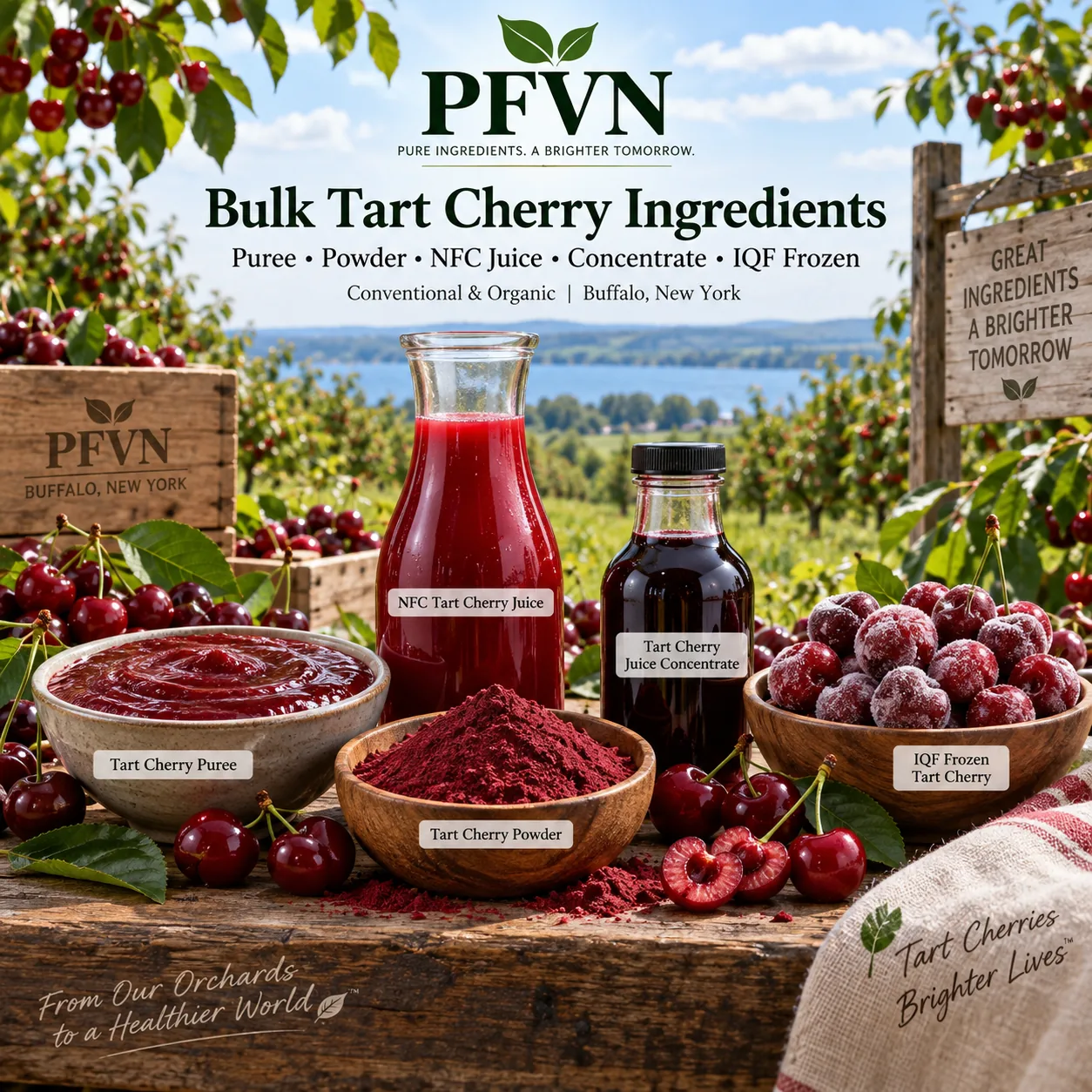
The fruit itself remains critical. Mandarin and tangerine concentrates provide citrus aroma and citric acidity, strawberry contributes softer berry character, raspberry and blackberry are considerably more acid-forward, blueberry provides dark berry flavor and color, while tart cherry delivers pronounced red-fruit character with predominantly malic acidity.
Because these fruits behave differently, beverage qualification should evaluate Brix, titratable acidity, pH, pulp or clarity, color, specific gravity, aroma and the intended reconstitution or use rate rather than treating all 65° Brix concentrates as interchangeable.
Define the concentrate's role before setting the specification
Decide whether the ingredient is the primary characterizing juice, one component of a fruit blend, a source of acidity, a color contributor or a secondary flavor layer. That role determines which analytical and sensory limits need the tightest control.
Make sourcing decisions from the finished beverage backward
Tell the supplier whether the concentrate will be used in a still beverage, carbonated drink, functional beverage, syrup base, frozen beverage, tea, foodservice concentrate or another system. Include the actual processing route so the commercial sample can be evaluated after dilution, mixing, heat treatment, carbonation or refrigerated storage as applicable.