Breakfast Cereal & Granola

Application overview

Fruit and vegetable powders in dry breakfast systems

Fruit and vegetable powders provide concentrated flavor, color and dry solids without introducing the large amount of water associated with puree, NFC juice or IQF fruit. That makes powder particularly useful in breakfast cereal, granola, coatings, cluster binders, dry premixes and bar systems where moisture control is important.

Powder format matters. Spray-dried juice powders, freeze-dried whole-fruit powders and drum-dried powders can differ significantly in carrier content, fruit solids, particle size, bulk density, dispersibility, flavor intensity and moisture sensitivity.

A tart cherry powder intended for a cereal coating may therefore require a different specification from a freeze-dried cranberry powder blended into granola or an orange powder dispersed into a syrup binder.

Define the powder function before the plant trial

Decide whether the ingredient is primarily intended to provide fruit flavor, fruit-derived color contribution, acidity, dry solids, visible speckling or a combination of these functions.

That decision determines whether the most important purchasing attributes are fruit-solids content, carrier system, moisture, particle size, bulk density, flowability, dispersibility, color or sensory intensity.

Write the specification around the cereal process

Tell the supplier whether the powder will be dry blended, dusted onto cereal, dispersed into a syrup, incorporated before baking, used in a granola cluster or added after thermal processing. The same powder can perform differently depending on when and how it is introduced.
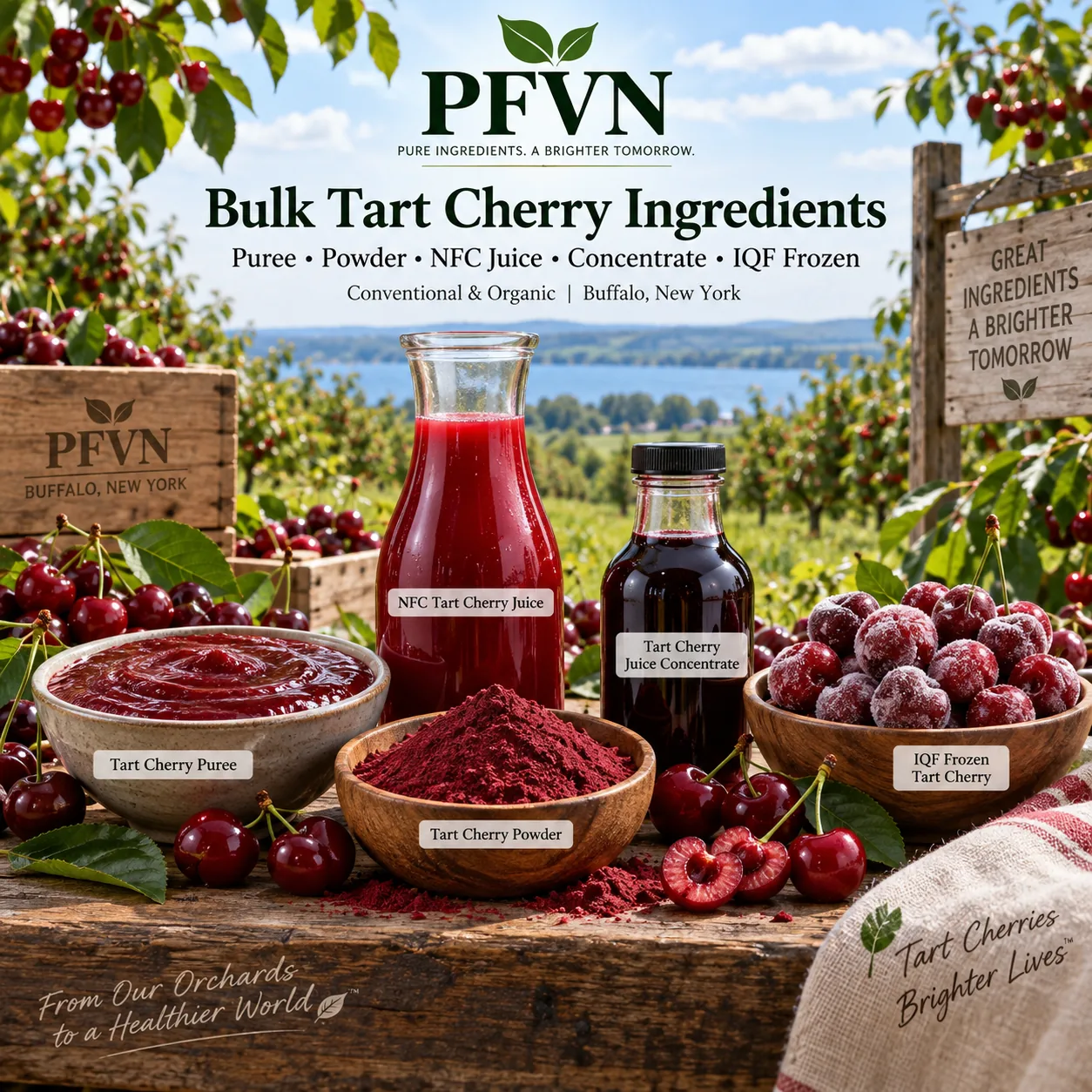
Qualification reminder: Fruit and vegetable powders vary by raw material, drying process, carrier system, origin and supplier. Confirm the current ingredient statement, technical specification, packaging, storage, certifications and microbiological criteria before commercial approval.
Powder formats

Drying process changes how the ingredient behaves

“Fruit powder” does not describe a single standardized format. The production method and ingredient composition should be stated clearly in the commercial specification.

Spray-dried Juice or concentrate powder

Spray-dried powders are commonly produced from juice or concentrate and may use a carrier such as maltodextrin to support drying, reduce stickiness and improve handling.

Freeze-dried Whole-fruit powder

Freeze-dried material can retain more of the whole-fruit matrix and may be supplied as pieces, granules or powders with different particle-size distributions.

Drum-dried Fruit or vegetable solids

Drum drying can produce flakes or powders that reconstitute readily and may be useful in cereal, bakery, snack and dry-mix applications.

Carrier system Know the ingredient statement

Some powders are 100% fruit or vegetable solids, while others contain a declared carrier. Compare fruit-solids content rather than assuming equal strength from equal powder weight.

Particle size Match powder to the process

Fine powder can disperse rapidly but may create dust, while coarser powder or granules may improve visual identity or reduce airborne fines.

Moisture Protect flow and stability

Low-moisture powders can be hygroscopic. Moisture pickup during storage or production can increase caking and change flow behavior.

Fruit profiles

Different fruits bring different flavor, acidity and visual impact

The fruits currently represented in this PFVN application range from bright tart cherry and cranberry to dark berries and citrus. Their sensory differences remain important even after drying.

Tart cherry Bright sweet-tart cherry

Tart cherry provides a pronounced red-fruit profile with natural acidity that works well against sweet oat, chocolate, nut and vanilla cereal systems.

A representative spray-dried tart cherry juice powder may be specified around 60–100 mesh with moisture around 5% maximum. Carrier composition should be confirmed.

Dark sweet cherry Rounder dark-cherry flavor

Dark sweet cherry offers a softer, sweeter cherry profile than tart cherry and pairs naturally with chocolate, almond, cocoa and toasted-grain flavors.

Powder format should be confirmed carefully because whole-fruit, freeze-dried and carrier-assisted juice powders can deliver different flavor intensity and color.

Cranberry Tart red berry

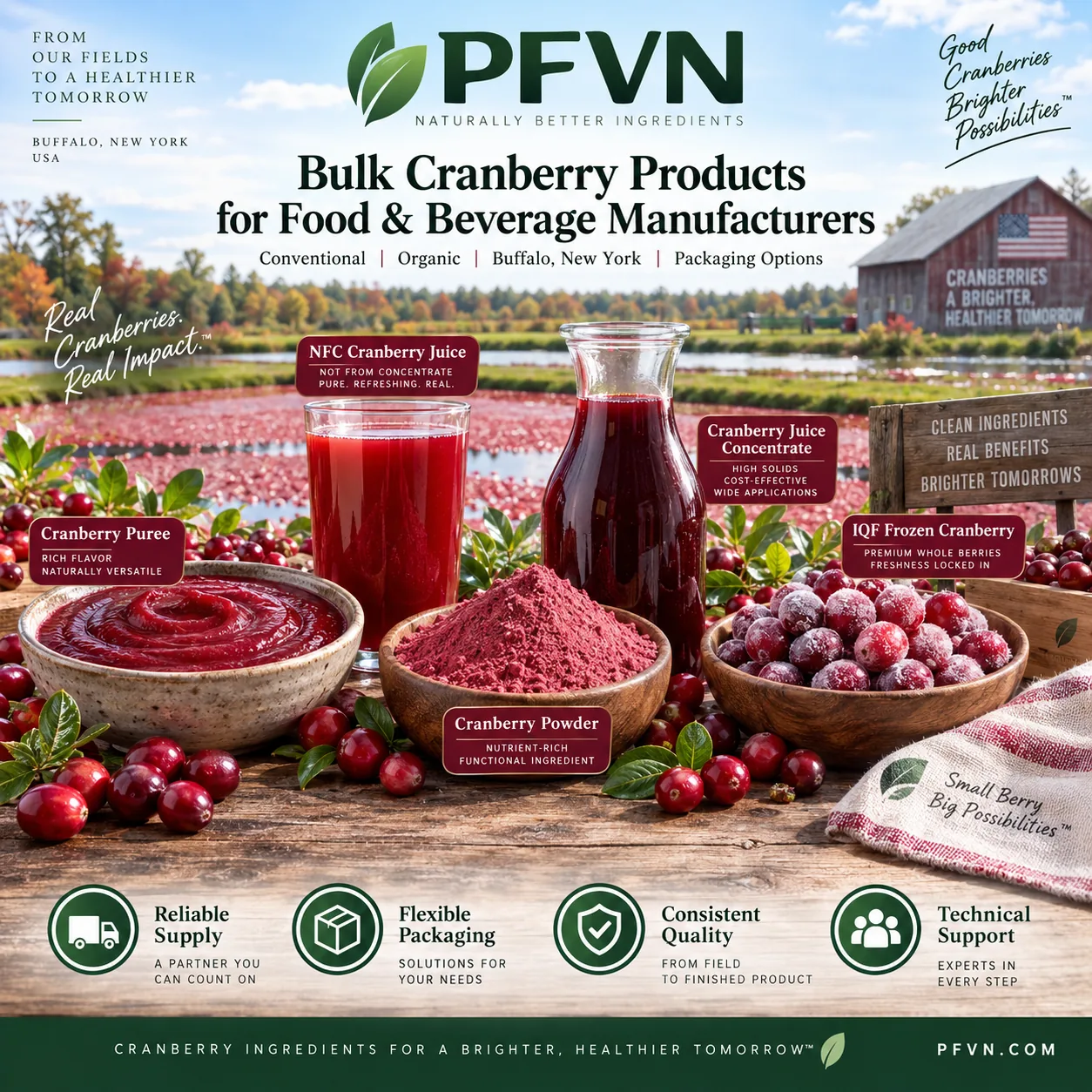
Cranberry provides sharp berry character, red-to-reddish-purple color and a useful contrast to sweet cereal coatings.

Representative commercial spray-dried cranberry powder may be around 80–100 mesh with moisture around 5% maximum, but fruit-solids and carrier levels vary by product.

Blackcurrant Intense dark-berry profile

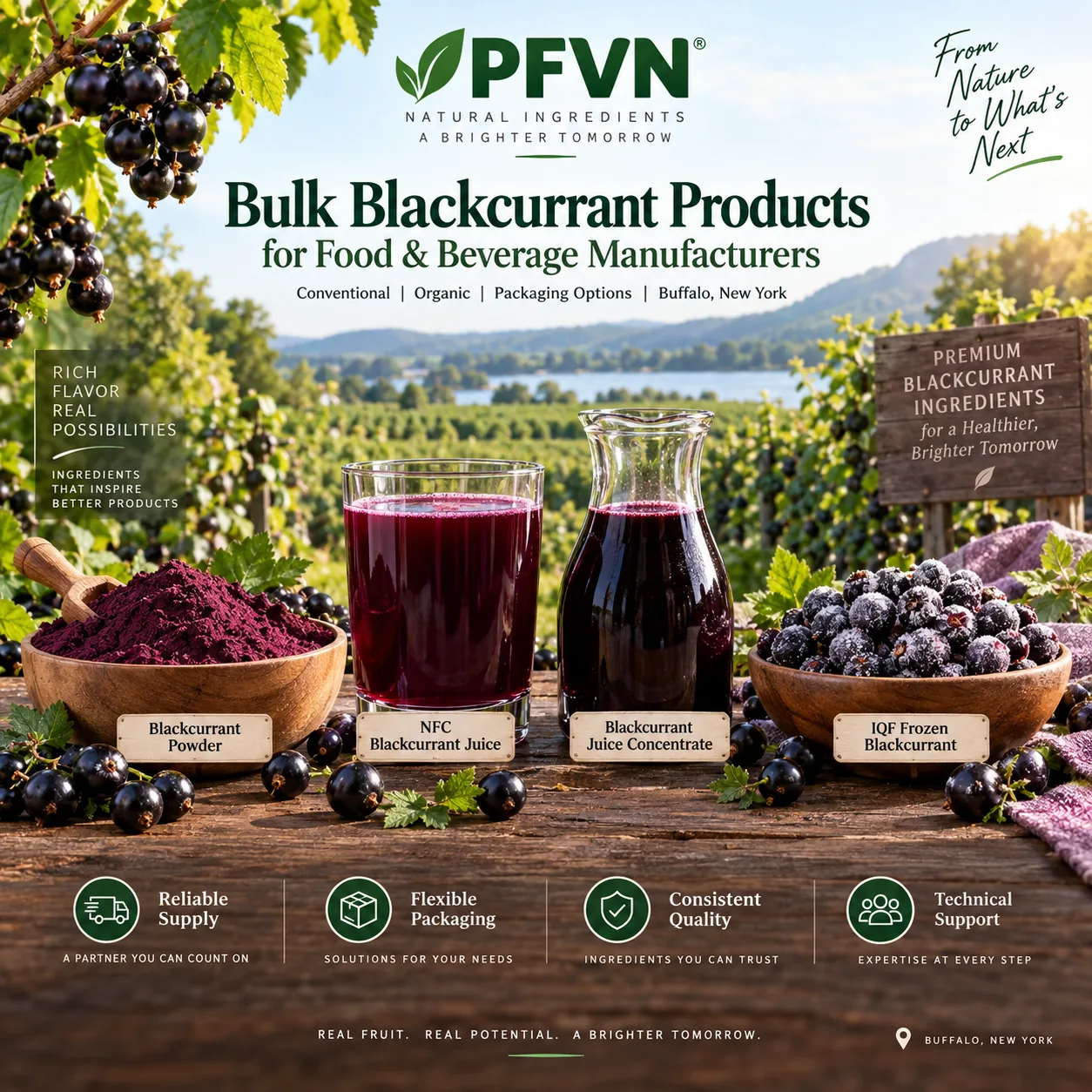
Blackcurrant delivers strong berry aroma, deep purple-red color and pronounced tartness. Its sensory strength allows it to work at lower use levels than milder fruits in some formulations.

Elderberry & aronia Dark fruit and berry depth

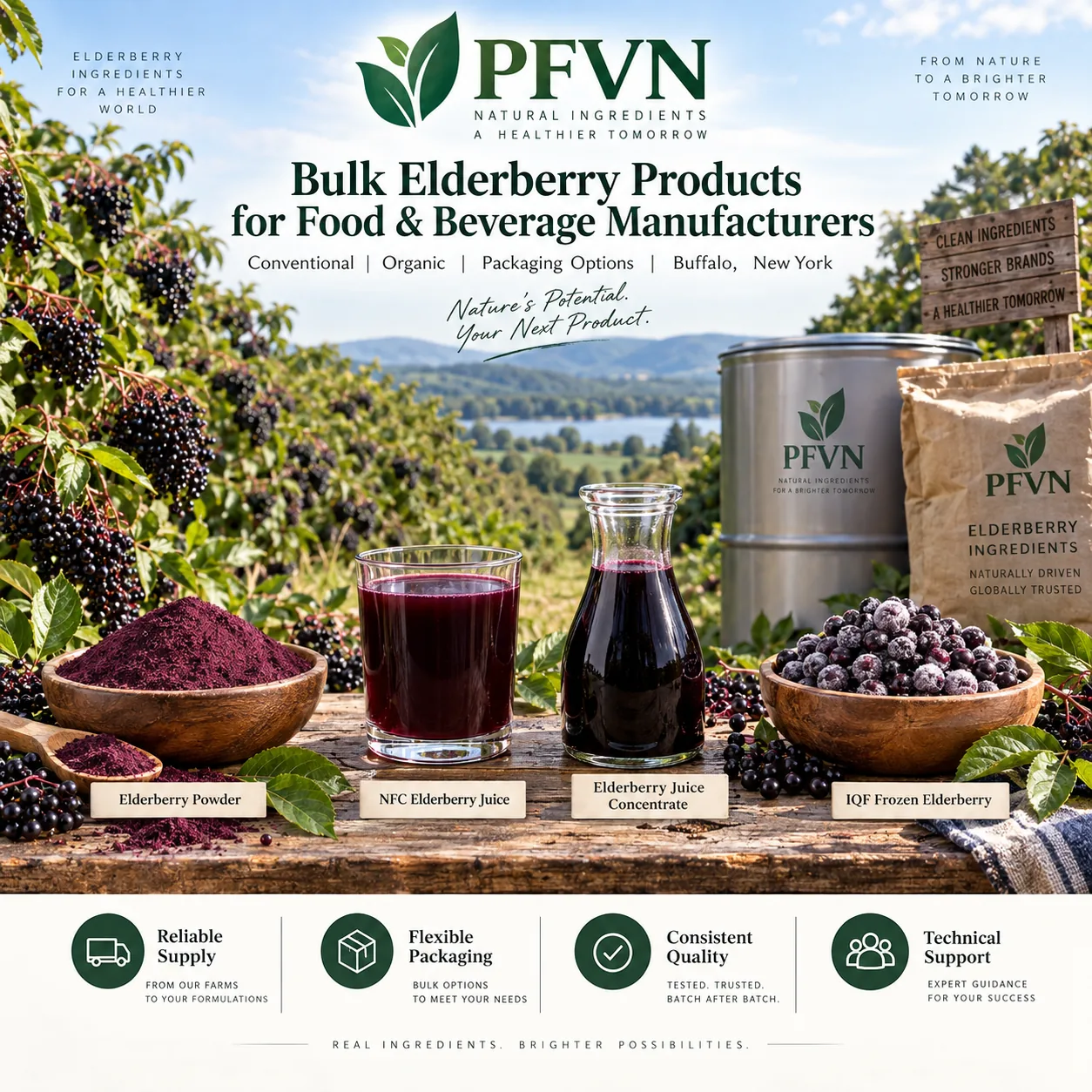
Elderberry and aronia bring deep fruit color and assertive dark-berry character. Aronia can also contribute noticeable astringency, making blend development especially important.

Acai Dark berry with earthy notes

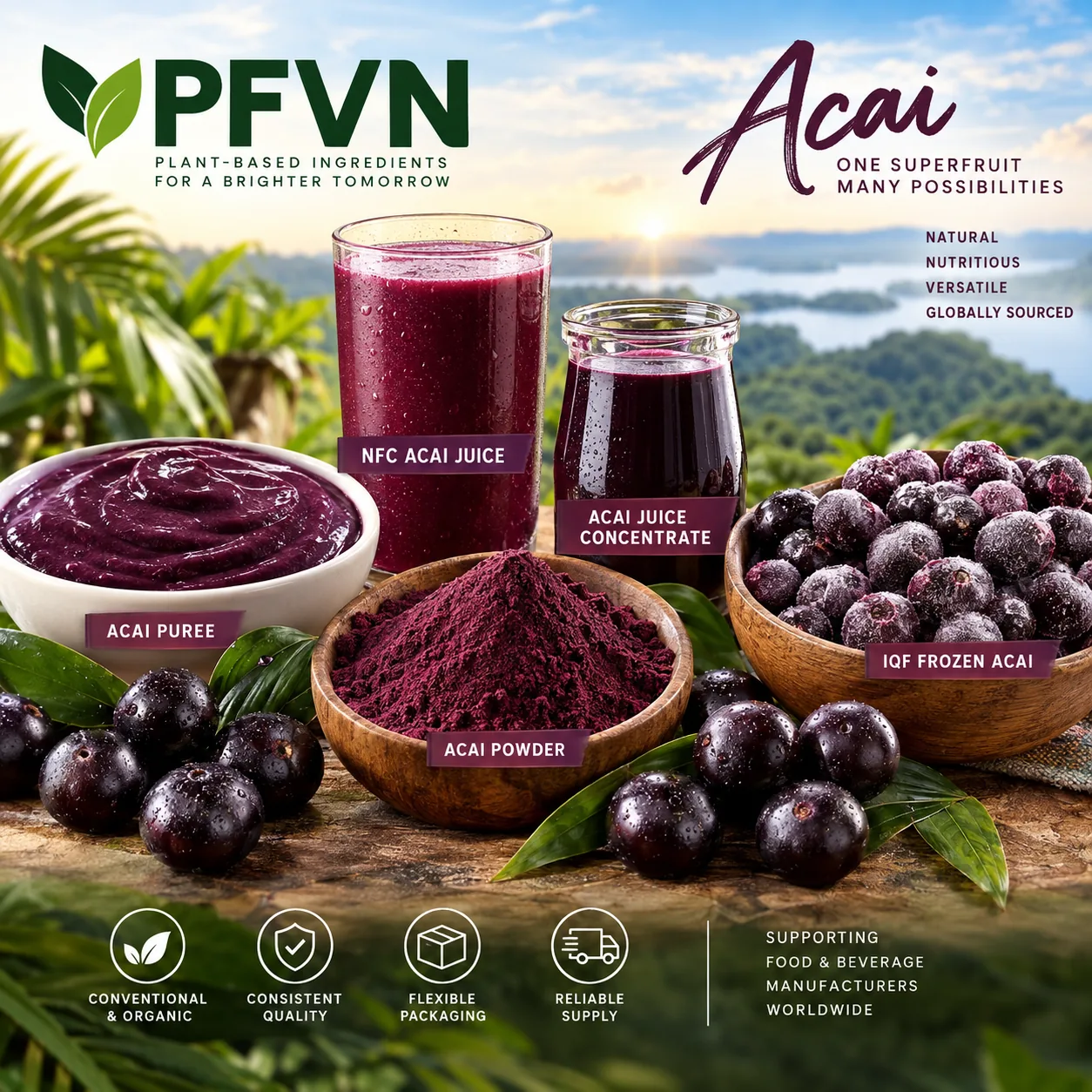
Acai powder can contribute dark purple appearance and a less acidic, more earthy berry profile than cranberry, tart cherry or blackcurrant.

Orange Bright citrus contrast

Orange powder provides citrus aroma and acidity that can brighten vanilla, chocolate, berry and spice cereal profiles.

Commercial powder formats vary widely. One fruit-based orange powder specification lists moisture below 3%, while spray-dried carrier systems may use different composition and handling limits.

Custom blends Balance fruit intensity

Multiple powders can be combined to create berry, cherry-citrus or fruit-and-vegetable systems. Approve the final blend at the intended use level rather than judging each powder independently.

Commercial reference: Mesh, moisture and composition examples above illustrate current commercial formats but are not universal PFVN specifications. Drying method, carrier, raw-material source and supplier can materially change powder performance.
Technical specification

Compare powders on more than flavor name

Two products both sold as “cranberry powder” or “orange powder” can have different fruit-solids content, drying carriers and physical properties. The incoming specification should make these differences measurable.

  • Raw material: whole fruit, puree, juice or concentrate
  • Drying process: spray-dried, freeze-dried, drum-dried or other
  • Ingredient statement: confirm carriers and processing aids
  • Fruit solids: useful for comparing actual fruit contribution
  • Moisture: affects flow, caking and storage behavior
  • Water activity: review where included in the supplier specification
  • Particle size / mesh: affects dusting, coating and dispersion
  • Bulk density: important for volumetric feeders, bags and blending
  • Dispersibility: important when powder is added to syrup or liquid binder
  • Color / flavor: approve at the actual finished-product use rate
  • Microbiological limits: align with the manufacturer's quality program
Major cereal applications

Where fruit and vegetable powders fit

Powder can be used at several points in cereal and granola manufacturing, with different technical requirements for each application.

Granola Cluster flavoring

Fruit powder can be mixed into syrup or binder systems before cluster formation to distribute fruit flavor and color throughout granola.

Ready-to-eat cereal Surface coating

Fine powders can be incorporated into sugar or oil-based coatings for flakes, puffs and extruded cereal pieces where uniform adhesion is required.

Hot cereal Dry premixes

Fruit powders can be dry blended into oatmeal, porridge and other instant cereal systems where rapid dispersion and controlled particle size are important.

Breakfast bars Bars & cereal snacks

Powders can provide fruit flavor and color in granola bars, cereal bars, protein bars and baked breakfast snacks without introducing the moisture of puree.

Fillings Co-extruded cereal systems

Fruit powder can be incorporated into dry or semi-moist filling systems where concentrated fruit character is required inside a crisp cereal shell.

Finishing Dusting & topical seasoning

Fine powders can be blended into topical seasoning systems for direct fruit impact, provided adhesion, dust control and flavor stability are validated.

Muesli Fruit-flavored grain blends

Powder can provide distributed fruit flavor throughout oats, seeds and grains while separate dried pieces deliver visible fruit identity.

Foodservice Breakfast mixes & bases

Dry cereal bases, smoothie bowls and foodservice breakfast mixes can use powder where shelf-stable fruit flavor and easy dry handling are required.

Coating & adhesion

Match powder behavior to the coating system

A fruit powder added to a syrup coating behaves differently from the same powder applied as a dry topical seasoning. Fine particles can create strong coverage but may also increase dust and absorb moisture quickly.

If powder is dispersed into a wet binder, evaluate wetting and lump formation. If it is applied dry, evaluate adhesion after cooling and packaging as well as powder loss during conveying.

Key coating questions

  • Does the powder distribute evenly?
  • Does it create visible specks or a uniform color?
  • Does it absorb enough syrup to change coating viscosity?
  • Does it remain attached during conveying and packaging?
  • Does the powder cake during production holds?
  • Does flavor remain recognizable after baking or drying?
Bake & dry-down performance

Evaluate flavor and color after heat

Fruit powder begins with far less water than puree or IQF fruit, but oven exposure can still change aroma, acidity perception and color.

Highly aromatic fruit may lose top notes during baking, while dark berry powders can change shade through heat, oxygen exposure and interaction with the cereal matrix.

Production trial checks

  • Flavor intensity before and after baking
  • Color after bake and cooling
  • Coating adhesion
  • Powder distribution
  • Finished cereal crispness
  • Flavor stability during packaged storage
Scale-up

Translate bench dispersion into commercial mixing

Production equipment introduces larger batch sizes, longer powder transfer distances and greater opportunities for dust, segregation and caking than a laboratory trial.

Record powder lot, use level, mixing sequence, coating temperature, bake conditions and finished-product results during the pilot. These results should determine which incoming powder attributes become formal purchasing limits.

Recommended approval stages

  1. Review the technical specification and ingredient declaration.
  2. Confirm drying process, carrier system and fruit-solids basis.
  3. Inspect color, aroma, flowability and caking.
  4. Run the intended dry blend or coating at bench scale.
  5. Run a production-representative pilot.
  6. Evaluate flavor, color and texture after processing and storage.
  7. Lock the commercial specification and acceptable tolerances.
Packaging & plant handling

Protect dry powder from moisture and oxygen

Commercial fruit powders may be supplied in moisture-protective lined bags, cartons or drums. Representative programs range from approximately 10 kg bags to 25 kg bags or drums, although actual packaging varies significantly by product and supplier.

The commercial pack should match realistic batch consumption so opened powder is not repeatedly exposed to humid production air.

Package barrier Control moisture pickup

Confirm liner construction and resealing procedures where powder will remain open between production runs.

Storage Cool, dry conditions

Follow the exact supplier specification. Heat, humidity and prolonged exposure to light or oxygen can affect powder quality.

Charging Match feeder and mixer

Fine powder may require dust collection or controlled bag dumping, while coarse granules may flow differently through volumetric feeders.

Delivered cost Compare fruit solids, not only price

Powder price per kilogram can be misleading when carrier content and fruit-solids concentration differ between suppliers.

Troubleshooting

When cereal or granola performance changes

Compare the powder specification and process conditions against the approved benchmark before making several formulation changes at once.

Development check

Powder cakes in storage

Review moisture content, package seal, warehouse humidity, opened-package handling and exposure time before production.

Development check

Coating becomes too thick

Check powder use level, particle size and moisture absorption in the syrup system. Fine fruit powders can materially change binder rheology.

Development check

Fruit flavor fades

Compare powder type, fruit-solids level, carrier content, baking exposure and flavor intensity after cooling rather than tasting only the raw powder.

Development check

Powder does not disperse

Review particle size, addition sequence, syrup temperature and whether the product is intended to dissolve fully or merely disperse.

Development check

Color shifts after baking

Evaluate heat exposure, cereal pH, oxidation and interaction with other ingredients using the finished product rather than raw powder color alone.

Development check

Powder creates excessive dust

Review particle-size distribution, charging method, local dust control and whether a coarser powder or granulated format would better suit the line.

Quality & documentation

Commercial powder specification file

The technical file should make clear what the powder actually contains and which physical characteristics are controlled from lot to lot.

  • Current technical specification
  • Certificate of Analysis where applicable
  • Ingredient and carrier declaration
  • Drying-process information where required
  • Allergen statement
  • Country-of-origin information
  • Particle-size specification
  • Moisture specification
  • Microbiological limits
  • Organic or other certification where required
  • Storage, shelf-life and packaging specification